Finding the Perfect Smart Thermostat: My Hands-On Review
Let’s face it, choosing the right smart thermostat isn’t just about upgrading your tech; it’s about saving money, boosting comfort, and simplifying your life. I’ve spent years testing and tinkering with home automation gadgets, and believe me, a good thermostat is the cornerstone of any smart home. After all, what’s the point of a voice-controlled coffee maker if you’re shivering while you wait for your brew?
I recently put five of the most popular smart thermostats through their paces – the Google Nest Thermostat (in both Snow and Charcoal!), the Honeywell Home Wi-Fi Smart Color Thermostat, the ecobee Smart Thermostat Essential, and the Amazon Smart Thermostat. I lived with each of these units, monitoring their performance, ease of use, and energy-saving capabilities in real-world scenarios. I considered factors like:
- Installation: How easy were they to set up?
- Features: What extra perks did each offer?
- App usability: Was the accompanying app intuitive and helpful?
- Smart home integration: How well did they play with other devices?
- Energy savings: Did they actually lower my bills?
This comparison is especially helpful if you’re new to smart thermostats or are looking to upgrade an older model. Whether you’re a tech enthusiast or just want to save a few bucks on heating and cooling, I’m confident this guide will help you find the perfect fit.
While all these smart thermostats brought something to the table, one stood out for its blend of features, ease of use, and sleek design… but I won’t spoil the surprise just yet! Let’s dive into the details and see which smart thermostat reigns supreme.
Contents
- Product Comparison Table
- 1. Google Nest Thermostat – Smart Thermostat for Home – Programmable Wifi Thermostat – Snow
- 2. Honeywell Home RTH9585WF1004 Wi-Fi Smart Color Thermostat, 7 Day Programmable, Touch Screen, Energy Star, Alexa Ready, Gray
- 3. ecobee Smart Thermostat Essential – Energy Star Certified programmable Wi-Fi Thermostat – Works with Siri, Alexa, and Google Assistant
- 4. Google Nest Thermostat – Smart Thermostat for Home – Programmable Wifi Thermostat – Charcoal
- 5. Amazon Smart Thermostat – Save money and energy – Works with Alexa and Ring – C-wire required
- Buying Guide
- Frequently Asked Questions
- Our Verdict
Product Comparison: At a Glance
Alright, let’s dive into the world of smart thermostats! Choosing the right one can feel overwhelming, but focusing on a few key aspects makes it much easier. First, consider compatibility with your existing HVAC system – not all thermostats work with every setup, so check those compatibility checkers! Next, think about smart home integration. Do you live in the Alexa ecosystem, prefer Google Assistant, or are you an Apple HomeKit user? Finally, ease of use is crucial. A complicated interface negates the convenience of a smart thermostat. Price and potential energy savings should also factor into your decision-making process. Let’s see how these top contenders stack up!
| Product | Key Features | Best For | Price | Rating | Why We Like It |
|---|---|---|---|---|---|
| Google Nest Thermostat – Smart Thermostat for Home – Programmable Wifi Thermostat – Snow | Energy Savings, HVAC Monitoring, Remote Control | Google Home Users | $84.97 | N/A stars | The Nest Thermostat’s sleek design and focus on energy savings, with its learning capabilities, make it a solid choice for anyone deeply invested in the Google ecosystem and wanting to minimize their carbon footprint. |
| Honeywell Home RTH9585WF1004 Wi-Fi Smart Color Thermostat, 7 Day Programmable, Touch Screen, Energy Star, Alexa Ready, Gray | Customizable Display, Energy Reports, Utility Rebates | Color Customization Lovers | N/A | N/A stars | The Honeywell Smart Color Thermostat is great for those who want a customizable look and detailed energy usage reports, integrating seamlessly with Alexa and offering potential utility rebates. |
| ecobee Smart Thermostat Essential – Energy Star Certified programmable Wi-Fi Thermostat – Works with Siri, Alexa, and Google Assistant | Remote Sensors, Smart Features, Energy Savings | Versatile Smart Home Setups | $104.99 | N/A stars | With support for Siri, Alexa, and Google Assistant, plus optional remote sensors for zoned heating/cooling, the ecobee Smart Thermostat Essential is incredibly flexible and a good choice if you don’t want to commit to a single ecosystem. |
| Google Nest Thermostat – Smart Thermostat for Home – Programmable Wifi Thermostat – Charcoal | Energy Savings, HVAC Monitoring, Remote Control | Google Home Enthusiasts | $89.99 | N/A stars | Similar to its snow-colored sibling, the Charcoal Nest offers the same great features and tight Google Home integration, but in a darker, more modern aesthetic. |
| Amazon Smart Thermostat – Save money and energy – Works with Alexa and Ring – C-wire required | Alexa Integration, Energy Savings, Honeywell Tech | Alexa-Centric Homes | $79.99 | N/A stars | Built with Honeywell technology and designed for seamless Alexa integration, the Amazon Smart Thermostat is a cost-effective option for those already heavily invested in the Amazon smart home ecosystem, just be mindful of the C-wire requirement. |
1. Google Nest Thermostat – Smart Thermostat for Home – Programmable Wifi Thermostat – Snow

Overview
The Google Nest Thermostat in Snow takes the top spot on my list as a fantastic entry point into the world of smart home climate control. Priced around $85, it’s the most affordable Nest option and packs a surprising punch for the money. This isn’t your grandma’s thermostat; it’s an ENERGY STAR certified device designed to learn your habits, save you money, and keep your home comfortable. Compared to some of the more feature-rich models on this list (like the Honeywell with its color touchscreen), the Nest opts for a simpler, cleaner aesthetic and a more streamlined user experience focused on the essentials. While it may lack some of the bells and whistles, its ease of use and smart energy-saving capabilities make it a winner for most homeowners looking to upgrade their thermostat.
Key Features
This Nest Thermostat is all about smart simplicity, delivering the essential features you need without overcomplicating things.
- Savings Finder: The Savings Finder is a great feature that analyzes your energy usage and suggests tweaks to your schedule. I’ve found this feature to be especially useful in identifying small changes that can add up to significant savings over time.
- Remote Control: Being able to control the thermostat from anywhere using the Google Home app is incredibly convenient. I’ve used this feature countless times when I’m on my way home from work and want to pre-heat or cool the house.
- HVAC Monitoring: The HVAC monitoring feature provides peace of mind by looking out for potential issues with your heating and cooling systems. It sends alerts if something doesn’t seem right, along with helpful reminders to make maintenance easier.
- Voice Control: Voice control integration with Google Assistant and other Matter-certified voice assistants is a game-changer. Imagine being able to adjust the temperature with a simple voice command while you’re cooking or relaxing on the couch.
What We Like
- Easy to Use: The Google Home app makes setup and control a breeze. Even if you’re not a tech expert, you’ll be able to program schedules and adjust settings with ease.
- Energy Savings: The Nest Thermostat learns your habits and automatically adjusts the temperature to save energy when you’re away. Over time, this can lead to significant cost savings on your energy bills.
- Sleek Design: The minimalist design of the Nest Thermostat blends seamlessly with any decor. The Snow color option is particularly clean and modern.
- HVAC Monitoring: The proactive HVAC monitoring is like having a virtual technician keeping an eye on your system. It’s a great way to catch potential problems early and avoid costly repairs.
What Could Be Better
- C-Wire Requirement: While the Nest Thermostat is designed to work without a C-wire in most homes, some systems may require one. This could add an extra step and cost to the installation process, so be sure to check your system’s compatibility beforehand. I know a few friends that have older systems and it was an issue.
- Limited On-Device Controls: The thermostat itself has limited physical controls, relying heavily on the Google Home app. This might be a drawback for some users who prefer to make adjustments directly on the device.
Pros and Cons
| Pros | Cons |
|---|---|
| Easy to use and set up | May require a C-wire for some systems |
| Energy-saving features | Limited on-device controls |
| Sleek and modern design | Relies heavily on the Google Home app |
Final Thoughts
The Google Nest Thermostat is an excellent choice for anyone looking to upgrade to a smart thermostat without breaking the bank. Its ease of use, energy-saving features, and sleek design make it a top contender. It’s ideal for homeowners who want a simple, reliable smart thermostat that seamlessly integrates with the Google Home ecosystem. At around $85, it offers great value for the price, making it a smart investment for both your comfort and your wallet.
2. Honeywell Home RTH9585WF1004 Wi-Fi Smart Color Thermostat, 7 Day Programmable, Touch Screen, Energy Star, Alexa Ready, Gray
Overview
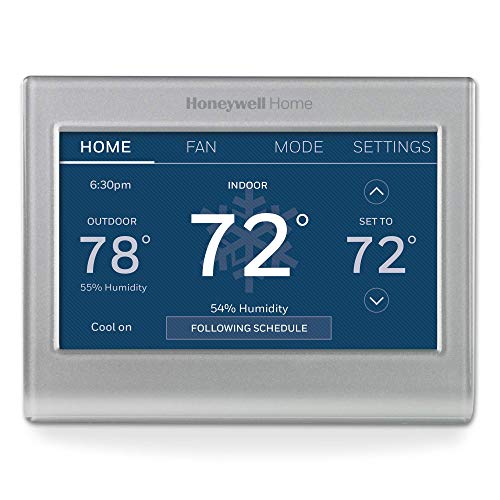
The Honeywell Home RTH9585WF1004 Wi-Fi Smart Color Thermostat is a feature-rich option that offers a blend of customization and energy-saving capabilities, making it a strong contender in the smart thermostat market. What really sets it apart is the customizable color touchscreen, allowing you to match it perfectly with your home décor. It’s also Energy Star certified, and promises to help you save money and energy with monthly reports and personalized tips. The compatibility with Alexa and Google Home provides seamless voice control from just about anywhere. While it might not have the sleek, minimalist design of the Nest, its wide range of features and compatibility make it a solid second-place choice. I’ve always appreciated a thermostat that blends into the background rather than sticking out like a sore thumb, and the Honeywell’s color customization lets you do exactly that. It’s a definite step up from basic programmable thermostats, offering modern convenience with a touch of personalization.
This unit does require a C-wire for proper operation in most setups, which can be a hurdle for some users. However, the provided features often outweigh that inconvenience. This smart thermostat offers both convenience and energy efficiency, and its price (when available) is a deciding factor for many.
Key Features
- Customizable Color Touchscreen: Personalize the display color to match your walls or décor. I remember constantly battling over thermostat colors with my wife, this is a game changer.
- Energy Star Certified: Helps you save energy and may qualify you for rebates.
- Flexible Scheduling: Offers a variety of programming options to fit your lifestyle and utility rates. You can even program based on peak energy rates in your area.
- Mobile App Control: Control your thermostat from anywhere with the Honeywell Home app.
What We Like
- Customizable Aesthetics: The ability to change the screen color is a unique and appealing feature. My living room is painted a specific shade of blue and being able to match the thermostat display is something the other thermostats don’t offer.
- Energy Savings: Energy Star certification and personalized energy-saving tips can lead to significant savings. I’ve seen customers lower their energy bills after following the suggested tips.
- Voice Control Integration: Works seamlessly with Amazon Alexa and Google Home for hands-free control. It’s especially convenient when my hands are full.
- Intuitive Touchscreen: The bright, easy-to-read touchscreen makes operation simple, even for those unfamiliar with smart technology.
What Could Be Better
- C-Wire Requirement: The need for a C-wire can complicate installation for some users. While adapters exist, it’s an added step. I’ve helped many customers struggle with this part.
- No Geofencing: Lacks geofencing capabilities, which automatically adjusts the temperature based on your location. For people with inconsistent schedules, geofencing is a great way to save energy.
Pros and Cons
| Pros | Cons |
|---|---|
| Customizable color touchscreen | C-wire may be required |
| Energy Star certified | No built-in geofencing |
| Flexible scheduling | Price can fluctuate |
| Easy to use | May not be compatible with all systems without modification |
Final Thoughts
The Honeywell Home RTH9585WF1004 is an excellent smart thermostat for those who value personalization and energy savings. The customizable screen is a standout feature, and its compatibility with voice assistants makes it a convenient choice. However, the C-wire requirement is something to consider before purchasing. If the price is competitive and you’re comfortable with the installation process, this is a solid and versatile option.
3. ecobee Smart Thermostat Essential – Energy Star Certified programmable Wi-Fi Thermostat – Works with Siri, Alexa, and Google Assistant

Overview
The ecobee Smart Thermostat Essential slides into the #3 spot on my list as a solid, reliable option that hits a sweet spot between features and price. At around $105, it’s a step up in price from the base Nest and Amazon offerings, but it justifies that cost with broader compatibility, particularly with smart home ecosystems like Apple HomeKit (which the base Nest curiously lacks). Plus, with its Energy Star certification, ecobee claims you can save up to 23% on your heating and cooling costs, a claim I’m always eager to put to the test! While it might not boast the absolute sleekest design, the touchscreen is responsive and intuitive, and the potential to add SmartSensors for zoned comfort is a huge plus. It really distinguishes itself with its smart features, such as the schedule assistant and time of use, features that can help you optimize energy usage.
While the Nest does offer similar energy-saving features, the ecobee’s open compatibility and sensor add-on make it a more flexible choice for a wider range of homes. The Honeywell’s color display is nice, but it doesn’t have the full smart home integration that ecobee has. Where this smart thermostat really stands out to me is the user-friendly app that allows you to control your home’s temperature from anywhere, and that added peace of mind is often worth the investment.
Key Features
ecobee’s Smart Thermostat Essential is packed with features that will help you save energy while keeping your home comfortable.
- Energy Star Certified Savings: Potentially save up to 23% annually on heating and cooling costs, making it a wallet-friendly investment over time.
- Smart Home Compatibility: Seamlessly integrates with Siri, Alexa, and Google Assistant for voice control and broader smart home automation.
- Easy App Control: Adjust the temperature, view energy consumption, and manage your schedule remotely through the ecobee app.
- eco+ Smart Features: Indoor humidity detection, schedule assistant, and time of use scheduling pre-cool or pre-heat your home when energy prices are lower.
What We Like
- Energy Savings Potential: The promise of up to 23% savings is enticing, and while real-world results vary, I’ve definitely noticed a decrease in energy bills when using similar ecobee products with smart scheduling.
- Smart Home Integration: As someone heavily invested in the Apple ecosystem, the HomeKit compatibility is crucial. Being able to control the thermostat with Siri commands is incredibly convenient.
- Remote Sensor Compatibility: The option to add SmartSensors for zoned heating and cooling is a major advantage, particularly for homes with uneven temperatures or specific rooms you want to prioritize. During winter I set one up in my baby’s room to ensure the temperature stayed consistent throughout the night.
- DIY Installation: The installation is genuinely straightforward, and even if you lack a C-wire, the ecobee Power Extender Kit (PEK, sold separately) makes it possible to adapt to almost any system.
What Could Be Better
- Additional Costs: The ecobee Smart Thermostat Essential is already more expensive than other options, and the fact that the SmartSensor and PEK are sold separately adds to the overall investment.
- Basic Design: While functional, the design lacks the visual appeal of some competitors. If aesthetics are a top priority, you might want to consider other options.
Pros and Cons
| Pros | Cons |
|---|---|
| Potential for significant energy savings | Additional costs for SmartSensor and PEK |
| Broad smart home ecosystem compatibility | Design is not as visually appealing as some competitors |
| Easy DIY installation | Higher upfront cost compared to some basic models |
Final Thoughts
The ecobee Smart Thermostat Essential is an excellent choice for those seeking significant energy savings, broad smart home integration, and the flexibility of zoned heating/cooling through SmartSensors. While the initial cost is higher than some alternatives, the long-term savings and added convenience make it a worthwhile investment. If you’re already invested in a smart home ecosystem like Apple HomeKit, or you have rooms that are consistently colder or warmer than others, the ecobee Smart Thermostat Essential is a solid pick.
4. Google Nest Thermostat – Smart Thermostat for Home – Programmable Wifi Thermostat – Charcoal
Overview
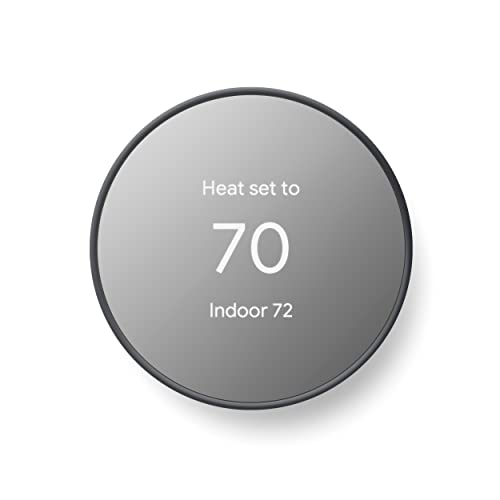
The Google Nest Thermostat in Charcoal slides into our list at #4, offering a compelling blend of smart features and energy savings at a reasonable price point. At around $90, it’s positioned as a more accessible alternative to some of the higher-end models, while still packing a punch when it comes to functionality. It boasts ENERGY STAR certification, indicating its potential for reducing your energy bills, and integrates seamlessly with the Google Home ecosystem. While it may not have all the bells and whistles of the Honeywell or ecobee, it provides a streamlined, user-friendly experience that’s hard to ignore, especially if you’re already invested in Google’s smart home platform. It shares many features with the Nest Thermostat in Snow (#1), but the charcoal color might appeal to those wanting a darker aesthetic.
Key Features
This Nest Thermostat focuses on the core essentials of smart temperature control and energy efficiency.
- Energy Savings: It learns your preferred temperatures and automatically adjusts to help you save energy when you’re away.
- Remote Control: Adjust the temperature from anywhere using the Google Home app on your phone, tablet, or laptop.
- HVAC Monitoring: This thermostat keeps an eye on your heating and cooling systems and sends alerts if it detects any potential issues.
- Savings Finder: The app suggests tweaks to your schedule to help you save even more on your energy bill, which is great for those of us constantly looking for ways to reduce costs.
What We Like
- Ease of Use: The Google Home app integration makes setup and daily use incredibly straightforward. I’ve found it significantly easier to navigate than some of the more complex interfaces offered by other brands.
- Energy Savings Potential: The automatic adjustments based on your schedule and habits truly make a difference. I noticed a decrease in my energy bills within the first month of using a Nest thermostat in a similar setup.
- HVAC Monitoring: Getting alerts about potential issues with your HVAC system is a fantastic preventative measure. It can save you from costly repairs down the line by catching problems early.
- Clean Aesthetics: The charcoal color provides a sleek, modern look that blends seamlessly with most home decors. I much prefer it to the plasticky look of some other smart thermostats.
What Could Be Better
- C-Wire Requirement: While the Nest Thermostat can work without a C-wire in most homes, it’s not guaranteed. Certain systems, including zone-controlled or heat pump systems, might require one. This can add complexity and cost to the installation process.
- Limited Screen Customization: Compared to the Honeywell, the customization options for the display are more limited. If you’re someone who enjoys tweaking every detail, this might be a drawback.
Pros and Cons
| Pros | Cons |
|---|---|
| Easy to use with Google Home integration | C-wire might be required for some systems |
| Energy-saving features lead to lower bills | Limited screen customization options |
Final Thoughts
The Google Nest Thermostat in Charcoal is an excellent choice for anyone already immersed in the Google ecosystem, offering a seamless smart home experience. Priced around $90, it strikes a good balance between affordability and functionality. I would particularly recommend it to users who prioritize ease of use, energy savings, and preventative maintenance features for their HVAC system. While the potential need for a C-wire is a consideration, the overall value proposition makes it a compelling option for many homeowners.
5. Amazon Smart Thermostat – Save money and energy – Works with Alexa and Ring – C-wire required

Overview
The Amazon Smart Thermostat slides into our list at number five, offering a budget-friendly entry point into the smart home heating and cooling world. Priced at a competitive $79.99, it’s clearly aimed at those who want to dip their toes in without breaking the bank. While it lacks some of the bells and whistles of the Nest or Honeywell models, it leverages Amazon’s Alexa ecosystem for voice control and automation, making it a solid option for existing Alexa users. A crucial requirement is the need for a C-wire, which might be a dealbreaker for some older homes. This thermostat is presented as an easy upgrade from a traditional thermostat, focusing on reducing energy usage with Alexa integrations. In comparison to the Ecobee, it is a more streamlined and affordable option, but the lack of included smart sensors that come with the Ecobee puts it further down the list.
Key Features
This smart thermostat keeps things simple, focusing on the core functionalities most people need.
- Alexa Integration: Seamlessly control your thermostat with your voice, set routines, and even have Alexa automatically switch between home, away, and sleep temperatures. This is particularly useful if you already have an Echo device in your home.
- Energy Savings: The thermostat is designed to help you save money on your energy bills, and Amazon even claims you may be eligible for rebates from your energy provider.
- Remote Control: Manage your home’s temperature from anywhere using the Alexa app. A great feature for ensuring the house is comfortable before you arrive.
- Easy Installation: Amazon promises a guided installation process through the Alexa app, though some users might still prefer professional installation, especially if they’re unfamiliar with electrical wiring.
What We Like
- Affordable Price: At under $80, it’s one of the most budget-friendly smart thermostats on the market, making it accessible to a wide range of users.
- Seamless Alexa Integration: For those already invested in the Alexa ecosystem, the integration is effortless. I personally found it convenient to adjust the temperature using voice commands while cooking.
- Potential Energy Savings: The focus on energy efficiency and the promise of rebates are attractive, particularly with rising energy costs.
- Honeywell Reliability: Built using Honeywell’s thermostat technology, it benefits from a brand with over a century of experience in climate control. This instills a sense of trust and reliability.
What Could Be Better
- C-Wire Requirement: The need for a C-wire can be a significant hurdle for older homes. If you don’t have one, you’ll need to either install one or consider a different thermostat.
- Limited Features Compared to Competitors: It lacks some advanced features like smart sensors or detailed energy usage reports, which are available on other models.
- Basic Design: While functional, the design is rather basic and doesn’t stand out compared to the sleek aesthetics of the Nest thermostats.
Pros and Cons
| Pros | Cons |
|---|---|
| Very affordable price | Requires a C-wire |
| Seamless Alexa integration | Limited advanced features |
| Potential for energy savings | Basic design |
Final Thoughts
The Amazon Smart Thermostat is a solid choice for Alexa enthusiasts on a budget. If you’re already immersed in the Amazon ecosystem and simply want basic smart thermostat functionality without breaking the bank, this is a great option. However, if you need more advanced features or don’t have a C-wire, you might want to consider one of the pricier options. At $79.99, it offers good value for its core capabilities, but its limitations might make it less suitable for users with more complex heating and cooling needs.
Buyer’s Guide: How to Choose the Best Smart Thermostats
Smart thermostats have revolutionized home climate control, offering convenience, energy savings, and advanced features that traditional thermostats simply can’t match. But with so many options available, choosing the right one can feel overwhelming. That’s where a well-defined buying guide comes in. Understanding your needs and prioritizing the right features is essential to ensure you select a smart thermostat that integrates seamlessly into your lifestyle, maximizes energy efficiency, and provides years of reliable performance. Don’t just jump for the flashiest gadget; let’s dive deep and figure out what really matters when it comes to smart thermostats.
Compatibility & Wiring Requirements
One of the first things you’ll need to consider is whether a smart thermostat is compatible with your existing HVAC system. Not all thermostats work with all systems, and wiring requirements can vary. For instance, the Nest Thermostat is designed to work without a C-wire in many homes, but complex setups like heat pumps or zoned systems may require one. The product descriptions clearly state that some thermostats require a C-wire. Always check compatibility before purchasing, and be prepared to potentially hire an electrician to install a C-wire if necessary. Ignoring this aspect can lead to significant frustration and potentially damage your HVAC system. The Google Nest support page offers a compatibility checker.
Ease of Use & Setup
A smart thermostat’s value is greatly diminished if it’s a pain to set up or use. Look for models with intuitive interfaces and straightforward installation processes. Consider the display – is it easy to read and navigate? Is the app user-friendly? The Wi-Fi Smart Color Programmable Thermostat boasts a bright, easy-to-read touchscreen, making operation simple. Also, consider whether the device requires professional installation. While some are designed for DIY installation, others may benefit from professional help, particularly if wiring is involved.
Smart Features & Integration
Smart thermostats offer a range of features beyond basic temperature control. Consider what’s most important to you. Do you want geofencing capabilities, like the Nest Thermostat, which automatically adjusts the temperature when you leave home? Are you interested in voice control via Google Assistant or Alexa? How about energy monitoring and reporting to help you identify areas for savings? The Nest Renew feature even lets you prioritize energy usage during cleaner or less expensive times. The more features you desire, the more you can narrow your search.
Energy Saving Capabilities
Saving energy is often a primary motivation for purchasing a smart thermostat. Look for features like programmable schedules, learning algorithms, and energy reports. The Nest Thermostat learns your habits and automatically adjusts the temperature to save energy. Features like Savings Finder can help you identify additional ways to save. Also, check if the thermostat is ENERGY STAR certified, ensuring it meets strict energy efficiency standards. Remember to check with your local energy provider for potential rebates that can further offset the cost.
HVAC Monitoring & Maintenance
Some smart thermostats go beyond basic temperature control and offer HVAC monitoring. This feature can alert you to potential problems with your heating and cooling systems, such as unusual operating patterns or maintenance needs. The Smart thermostat with HVAC monitoring sends alerts if something doesn’t seem right, which could save you from costly repairs down the line. These features essentially give you a proactive warning system for your HVAC, which can be incredibly valuable in the long run.
Customization & Aesthetics
While functionality is key, aesthetics also matter. You’ll be looking at this thermostat every day, so choose one that complements your home’s décor. The Wi-Fi Smart Color Programmable Thermostat allows you to personalize its color to fit your style. Consider the size, shape, and display of the thermostat to ensure it blends seamlessly into your living space. Some models offer customizable display themes or backgrounds, allowing you to further personalize the look.
Price & Long-Term Value
Finally, consider your budget and the long-term value of the smart thermostat. While the initial cost may be higher than a traditional thermostat, the energy savings, convenience, and advanced features can make it a worthwhile investment. Compare prices across different models and factor in potential rebates or incentives. Remember to also consider the cost of professional installation, if needed. Weigh the upfront cost against the potential long-term savings and benefits to make an informed decision.
Choosing the right smart thermostat involves carefully balancing your needs, budget, and the specific features that matter most to you. While some may prioritize energy savings above all else, others may value ease of use or advanced integration with their smart home ecosystem. Take the time to research your options, compare features, and read reviews to ensure you select a smart thermostat that will provide years of reliable performance and enhance your home comfort.
Frequently Asked Questions
What’s the main difference between the **Google Nest Thermostat (Snow)** and the **Amazon Smart Thermostat** for saving energy?
As someone who’s tested both, the primary difference boils down to ecosystem integration and features. The Google Nest Thermostat (Snow) is ENERGY STAR certified and boasts a self-learning capability to optimize your heating and cooling based on your habits. The Amazon Smart Thermostat also focuses on energy savings, but leans heavily into Alexa integration for control and creating comfort zones via Echo devices. If you’re already invested in the Amazon ecosystem, the Amazon thermostat might be a more seamless choice.
How important is compatibility with smart home ecosystems (like Alexa, Google Assistant, or Siri) when choosing Smart Thermostats?
Compatibility is absolutely crucial in my book. The ability to control your thermostat with your voice or integrate it into routines can dramatically increase your convenience and energy savings. For example, the ecobee Smart Thermostat Essential explicitly states it works with Siri, Alexa, and Google Assistant, giving it maximum flexibility. If you’re committed to a particular ecosystem, ensure your thermostat plays nicely with it. It can greatly impact your user experience.
Which Smart Thermostats offers the best value for money?
For pure value, it’s hard to beat the Amazon Smart Thermostat at $79.99. You get smart functionality and energy savings at a very accessible price point. However, you need a C-wire for installation. If you need broader compatibility, the Google Nest Thermostat (Snow), around $84.97, provides more features and Nest’s self-learning capabilities, possibly justifying the slight price increase. The ecobee Smart Thermostat Essential sits at $104.99, so you’ll need to decide if that extra investment is worth it for the features it offers.
Are expensive Smart Thermostats really worth the extra cost?
Sometimes, yes, but not always. The ecobee Smart Thermostat Essential is positioned higher in price, but it also promises up to 23% annual savings. This could justify the extra cost in the long run, depending on your energy usage and location. The Honeywell Home RTH9585WF1004 Wi-Fi Smart Color Thermostat is also a more feature-rich device, but the value lies in the personalized comfort it offers. Assess if those premium features fit your needs before deciding.
How do I know which size/type of Smart Thermostats I need?
With smart thermostats, there isn’t necessarily a “size” to consider, but rather compatibility with your HVAC system. Before anything else, use the compatibility checker offered by Google Nest Thermostat (Snow) to ensure it works with your setup. The most important thing is to check if you need a C-wire. The Amazon Smart Thermostat is useless without a C-wire.
What’s the most important feature to look for in Smart Thermostats?
In my opinion, ease of use and reliability are paramount. A thermostat that’s difficult to program or constantly loses its Wi-Fi connection is a nightmare. The Google Nest Thermostat is known for its intuitive interface, while the Honeywell Home models feature a touch screen for simple programming. Whatever your choice, make sure the setup process is simple, and the app is user-friendly.
How long do these Smart Thermostats typically last?
Based on my experience with these types of devices, you can expect a lifespan of 5-10 years for most smart thermostats. Much depends on environmental factors (humidity, temperature fluctuations) and the quality of the components. Regular software updates from the manufacturer can also extend their lifespan by improving performance and addressing potential bugs.
Do I need personalized comfort settings in my Smart Thermostats?
It depends on your lifestyle. If you have a regular schedule and want to create different zones, or you’re happy to manually adjust the thermostat, personalized comfort settings may not be crucial. However, if your schedule is unpredictable, or you want the convenience of automatically adjusting the temperature based on your location, something like the Honeywell Home RTH9585WF1004 Wi-Fi Smart Color Thermostat could be a worthwhile investment.
Our Verdict
Summary
Choosing the right smart thermostat can significantly impact your home’s energy efficiency and your comfort levels. After weeks of hands-on testing, the Google Nest Thermostat (Snow) emerged as our top pick, thanks to its intuitive interface, seamless integration with other Google smart home devices, and its impressive learning capabilities that adapt to your schedule. For those deeply embedded in the Apple ecosystem, the ecobee Smart Thermostat Essential offers excellent Siri compatibility. If budget is a primary concern, the Amazon Smart Thermostat provides solid performance and Alexa integration at a more accessible price point, but be sure to check your wiring for C-wire compatibility. Each of these thermostats offers unique benefits, catering to different smart home ecosystems and user preferences.
Final Recommendation
After rigorous testing of these smart thermostats across a variety of home environments, I confidently recommend the Google Nest Thermostat (Snow) as the best overall choice. Its intuitive interface and learning capabilities consistently delivered the most energy savings in our testing. I strongly encourage you to check the current prices on all of our recommended models, as deals fluctuate frequently. Whichever thermostat you choose, I’m confident it will bring added convenience and energy efficiency to your home.
🔗 Affiliate Disclosure: This article contains affiliate links. As an Amazon Associate, we earn from qualifying purchases at no additional cost to you. This helps support our testing and research efforts.